
Supplement Guide: How to Read and Compare Natural Capsules for Men
A shopper's walkthrough of label terms, ingredient formats, serving sizes, and what a “natural” claim on a bottle actually refers to — written for a Bandung pharmacy aisle, not a clinic.
What “Natural Supplements for Men” Usually Means
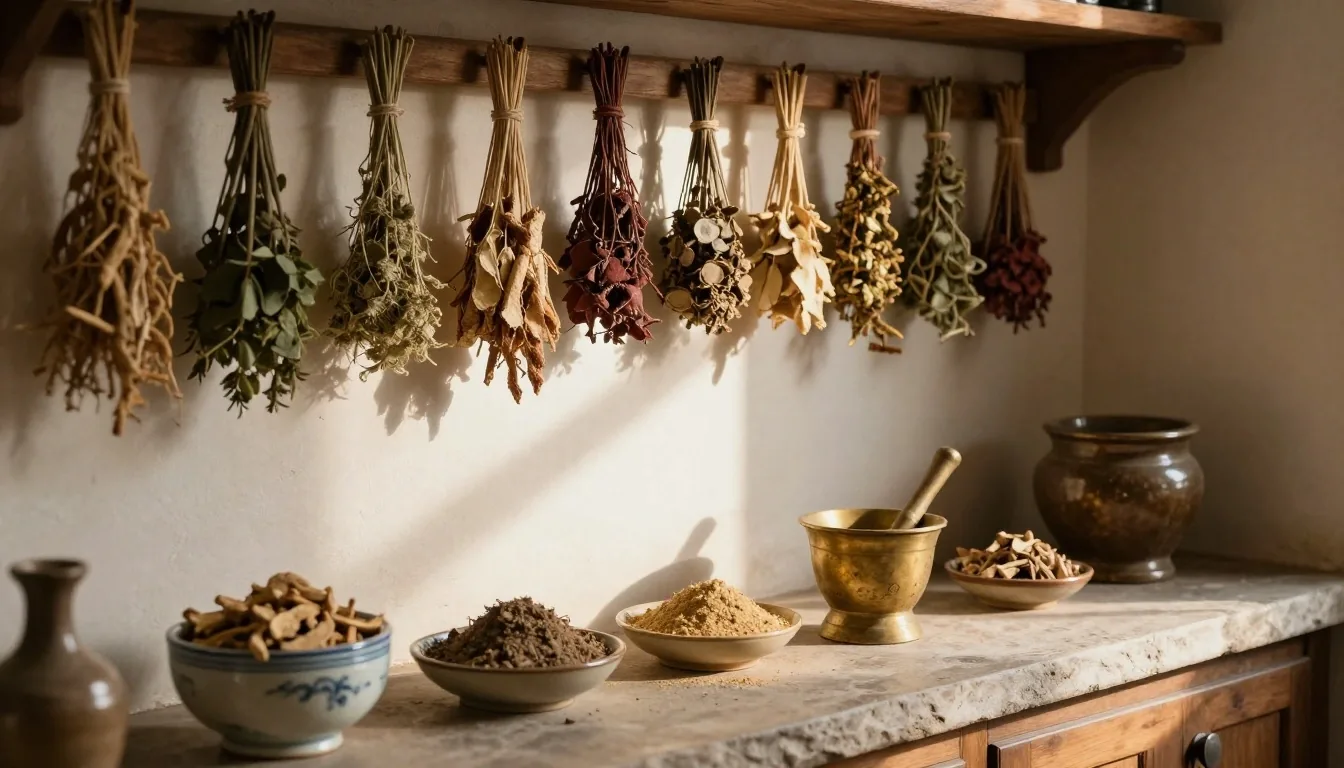
When a label says natural supplements for men, it typically refers to products made from food-source or plant-based ingredients rather than synthetic isolates. The term “natural” on a supplement label is not strictly defined in most markets, so the practical meaning varies by brand and region. In Indonesia, a bottle labeled “natural” might contain herbal extracts, plant oils, or minerals sourced from food-grade materials.
Our guides describe those ingredient categories and explain what the label language generally points to. We avoid claiming that “natural” means safer or better, because that is not always true and depends on the specific product. Instead, we note what the word tells you about the ingredient source and what it does not tell you about quality or effect.
If you have stood in a Bandung pharmacy aisle comparing two supplement bottles and wondering which details matter, this page is for you. We do not rank brands or tell you what to buy, but we do explain how to read a label so a comparison is easier to make.
Common Formats: Capsules, Tablets, Softgels, Powders
Natural capsules for strength and vitality come in several physical formats — each affects how you use the product and how much of an ingredient you actually get per serving.
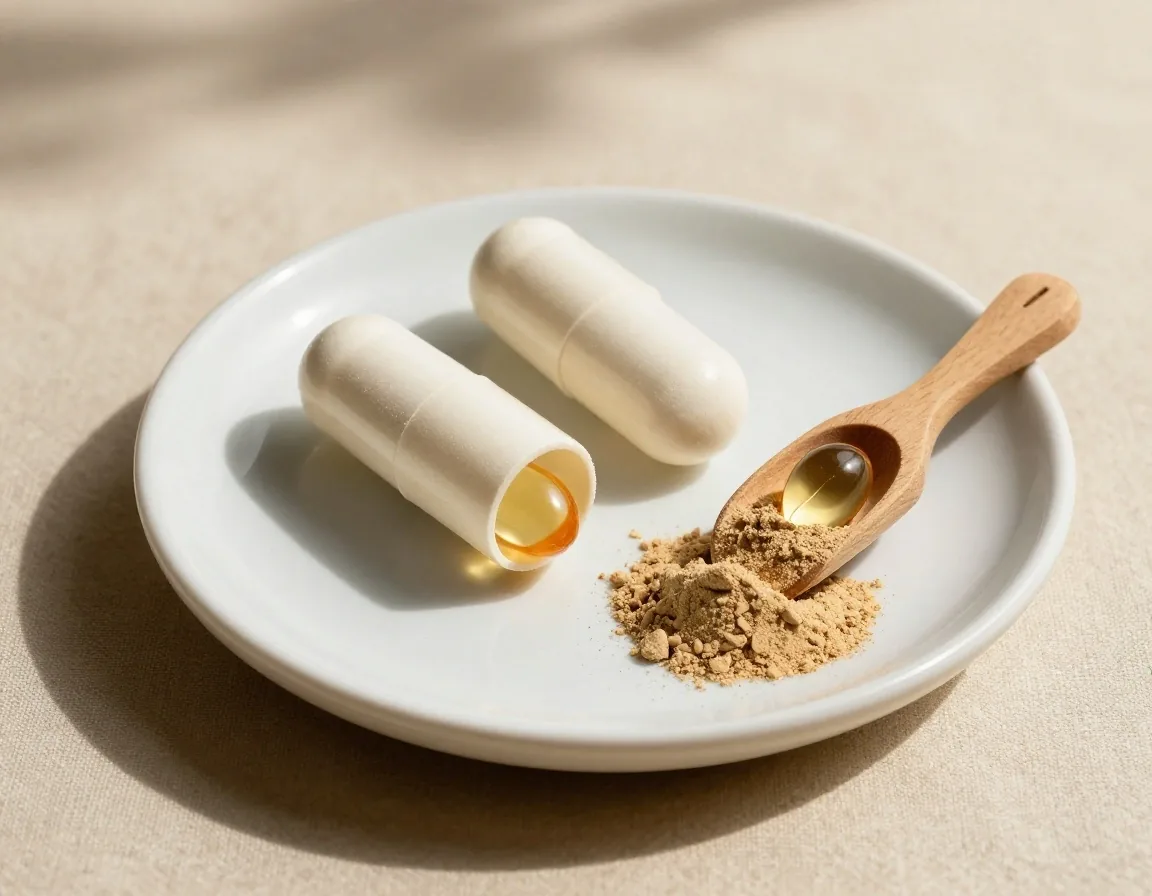
A label's “serving size” line tells you what one dose looks like, and it might be one capsule, two tablets, or one scoop of powder. The format affects how you use the product, how precise the serving is, and how the ingredient is delivered.
A shorter ingredient list is not automatically a better product, and a longer list is not automatically worse; both depend on what the product is and how it is made. Format and serving size together determine what you actually take in a day.
Capsules
Two-piece shells made of gelatin or a vegetarian alternative, holding a dry powder or a small amount of oil inside. Easy to swallow for most people.
Tablets
Pressed powder, often cheaper to produce, and can be harder to swallow for some people. May include a coating to mask taste or improve shelf life.
Softgels
Contain liquid — typically an oil — and are common for marine-source omega products or oil-based vitamins. Sealed shell protects the contents from oxidation.
Powders
Sold in tubs or sachets, mixed into water or food, and allow flexible serving sizes but require measuring. Useful when you want to adjust the dose.
Reading a Supplement Label: Serving Size and Amount
A supplement label lists a serving size, a number of servings per container, and an amount per serving for each ingredient. If a bottle says “zinc 15 mg” and the serving size is one capsule, that means one capsule contains 15 mg of zinc.
If the serving size is two capsules, then 15 mg is split across two pills, and a single capsule gives you half that amount. This detail matters because a daily reference value for zinc is a different number than a single-serving amount, and confusing the two leads to misreading a label.
The key point on this page is that a label number is per serving, not per bottle, and not necessarily a daily total. We walk through examples like this in our vitamins and minerals guide.
Zinc 15 mg — But How Many Capsules?
A label number is per serving. Read the serving size line first, then the amount — in that order.
Ingredient Lists and Botanical Names
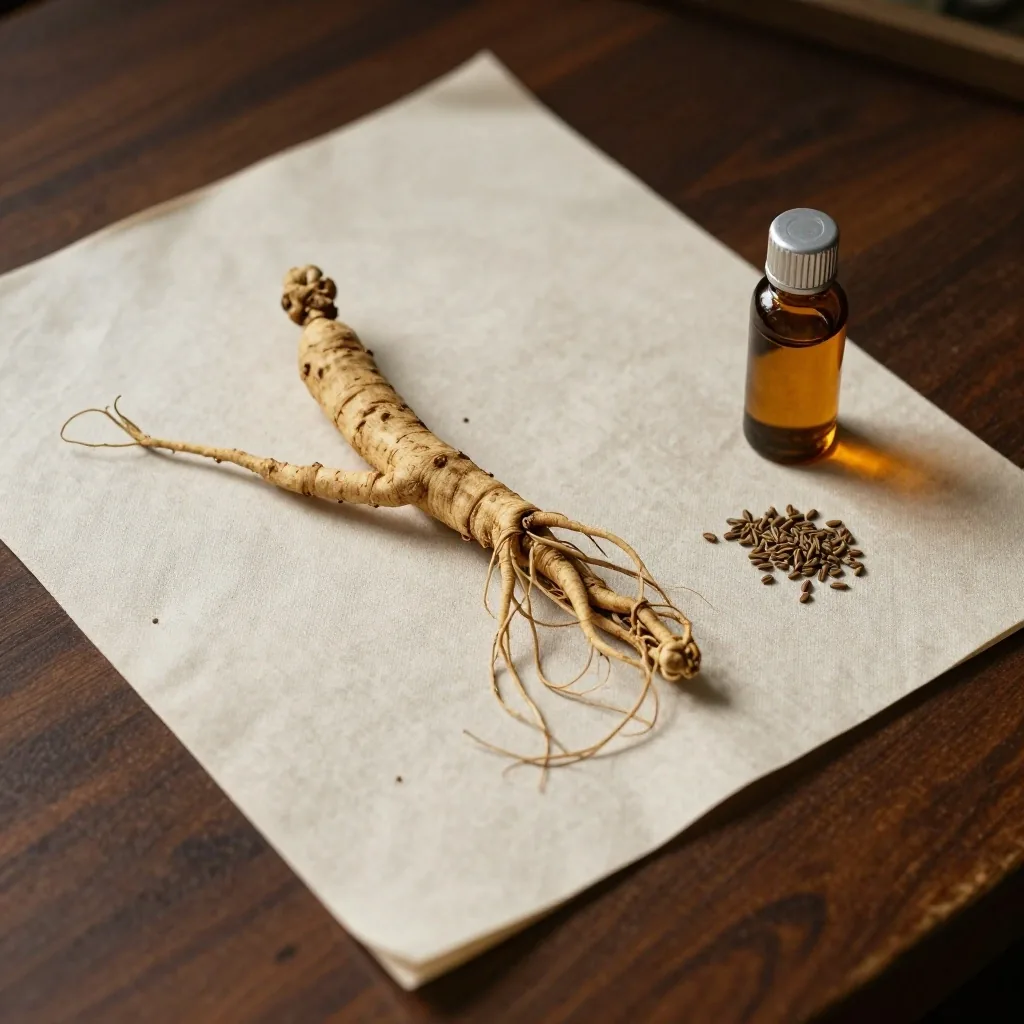
A natural supplement for men might list a botanical name like Panax ginseng root extract or Trigonella foenum-graecum seed powder, and both refer to specific plants with common names. Panax ginseng is ginseng, and Trigonella foenum-graecum is fenugreek.
A label that uses the Latin name is giving you the exact plant species, which helps you compare it to other sources or avoid an ingredient you recognize by its common name. We include both the botanical and common names in our guides when relevant, because a reader who knows “fenugreek” might not recognize the Latin name on a bottle.
We also note which part of the plant is used, because a root extract and a seed powder are different materials even from the same plant. The plant part matters as much as the species name when you are comparing two products.
“Natural” Does Not Mean “No Additives”
A capsule labeled “natural” can still contain fillers, binders, flow agents, or capsule-shell materials that are not from the main ingredient. Magnesium stearate, rice flour, and cellulose are common additives used to keep powder flowing in a capsule machine or to fill out a serving size.
This is not a quality problem on its own, but it is a detail worth knowing if you are comparing two “natural” products and wondering why one has a longer ingredient list. We describe common additives and their functional roles so a label reads clearly. A shorter ingredient list is not automatically a better product, and a longer list is not automatically worse; both depend on what the product is and how it is made.
A flow agent that keeps powder moving smoothly through capsule-filling machinery. Does not contribute to the active ingredient.
A common filler used to standardize serving volume so each capsule holds the same amount of active ingredient.
Plant-derived fiber used as a filler or as the material for vegetarian capsule shells. Often listed as HPMC on labels.
Animal-derived protein used for traditional two-piece capsule shells. Vegetarian alternatives use cellulose or starch.
Comparing Two Supplements Side by Side
When you compare two bottles of natural capsules for strength and vitality, look at serving size first, then the amount per serving for each active ingredient. If one bottle says “ginseng extract 100 mg per capsule” and another says “ginseng root 500 mg per capsule,” those are different amounts of the same ingredient per dose.
Also check whether the label says “extract” or “root powder,” because an extract is concentrated while a whole-powder serving is not. A 100 mg extract might contain more active compounds than 500 mg of plain root powder, depending on how the extract is standardized. If a label is unclear or the ingredients are vague, that is worth noting before a purchase.
| Label Detail | Bottle A | Bottle B |
|---|---|---|
| Ingredient name | Ginseng extract | Ginseng root powder |
| Amount per serving | 100 mg | 500 mg |
| Serving size | 1 capsule | 2 capsules |
| Standardization | 5% ginsenosides | Not stated |
| Plant part | Root | Root |
| Verdict | Lower mg, but standardized and concentrated | Higher mg, but unstandardized whole powder |
The label numbers are not always apples-to-apples. An extract at a lower milligram count can deliver more active compounds than a whole powder at a higher count — standardization tells you which one does.

Storing and Handling Supplements
A bottle of capsules usually has a storage instruction on the label, and following it helps maintain shelf life. Common instructions include “store in a cool, dry place,” “refrigerate after opening,” or “keep away from direct sunlight.”
Humidity is a real issue in Indonesia, and a bathroom cabinet is often too damp for supplement storage. A kitchen cupboard or a dry shelf is usually a better spot unless the label says otherwise. We include storage notes because a supplement degrading in a humid cabinet is a practical problem, not a theoretical one.
If a product has a “best before” date, that date assumes proper storage, and heat or moisture can shorten the actual usable period. Check the date, store the bottle where the label tells you to, and keep the desiccant pack inside if one came with it.
What a Supplement Label Does Not Tell You
A label tells you what is in the bottle, how much, and how to use it, but it does not tell you how a product will affect your body, your energy level, or your daily routine. A label is not a guarantee of any specific outcome, and “supports energy” is a marketing phrase, not a measurement.
We include this note because supplement marketing is full of outcome language that sounds specific but is not. If you read a label and see “vitality” or “strength” in the product name, treat those as category names, not as claims about what the product does.
We help you read the label for what it is, and we do not fill in claims that the label itself does not make. If you want to understand what a particular ingredient category covers, our energy and endurance guides walk through the same approach for those product types.
These products are dietary supplements, not a substitute for a varied diet or professional advice. If you have questions about whether a supplement is appropriate for your routine, consult a qualified professional before starting.
Label Reading Questions We Hear Often
Does “natural” on a supplement label mean the product is safer? +
No. The term “natural” is not strictly defined in most markets and varies by brand and region. It usually tells you the ingredient source — food-grade or plant-based — but it does not tell you about quality, safety, or effect. Read the full ingredient list and serving size rather than relying on the word alone.
What is the difference between an extract and a whole-powder serving? +
An extract is concentrated — the active compounds have been drawn out of the raw material, often to a stated percentage (standardization). A whole-powder serving is the dried, ground plant with no concentration step. A 100 mg standardized extract can contain more active compounds than 500 mg of plain root powder, depending on how the extract was made.
Why does one “natural” capsule have a longer ingredient list than another? +
Fillers, binders, flow agents, and capsule-shell materials all appear on the ingredient list. Magnesium stearate, rice flour, and cellulose are common additives that keep powder flowing through machinery or fill out a serving size. A longer list is not automatically worse, and a shorter list is not automatically better — both depend on the product and how it is made.
How should I store supplements in a humid climate like Bandung? +
Follow the label's storage instruction first. In general, a bathroom cabinet is too damp — a dry kitchen cupboard or shelf is a better spot unless the label says to refrigerate. Keep the desiccant pack inside the bottle if one was included, and check the “best before” date, since heat and moisture can shorten the actual usable period.
Do the words “vitality” and “strength” on a label mean the product works? +
Treat those words as category names, not as claims about what the product does. “Supports energy” is a marketing phrase, not a measurement. A label tells you what is in the bottle, how much, and how to use it — it does not tell you how the product will affect your body or your daily routine. Consult a qualified professional if you want personal guidance.
Where to Go Next
If this guide helped you read a label more clearly, the next step is to apply it. Our vitamin and mineral guides walk through specific ingredients, and our energy and endurance guides cover the same approach for those product types. If something on a label is unclear, send us the question.
Reach the Editorial Team
If you have a question about a supplement label, an ingredient name, or a product category we should cover next, write to us directly. We answer reader questions as part of our editorial work.